Your Reliable High Quality Wholesale Custom Clothing Manufacturers

How to Start a Custom Clothing Business in 2025: A Practical Guide
Are you passionate about fashion and wondering how to start a custom clothing business in 2025? With the rise of personalization and e-commerce, there has never been a better time to launch your own brand. Whether you’re an aspiring designer or an entrepreneur looking for a unique niche, this practical guide will walk you through every step of the process—from concept to customer.
1. Why Start a Custom Clothing Business in 2025?
The fashion industry is shifting. More consumers want unique, personalized, and sustainable options. Starting a custom clothing business allows you to meet this demand and stand out from mass-produced fashion brands. With tools like print-on-demand, online design platforms, and social media marketing, it’s now easier than ever to start—even with a small budget.
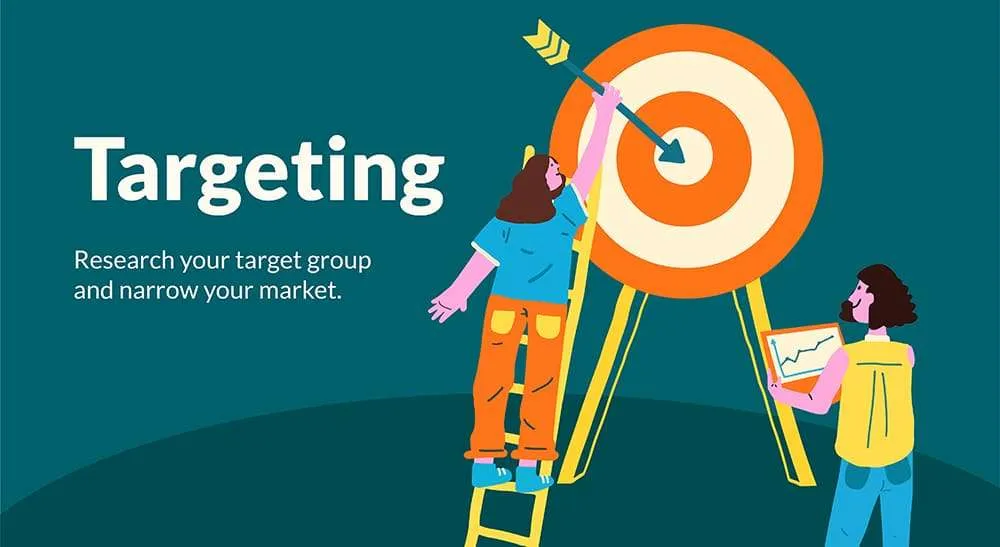
2. Define Your Niche and Target Audience
Before anything else, you must decide what kind of custom clothing you’ll offer. Here are some common niches:
- Streetwear with unique graphics
- Eco-friendly loungewear
- Fitness or athleisure apparel
- Custom corporate uniforms
- Personalized baby or kids’ clothes
Ask yourself:
- Who are your ideal customers?
- What problems are you solving?
- What design styles or values will your brand reflect?
Defining a clear niche is the first step in understanding how to start a custom clothing business successfully.
3. Build a Business Plan
A strong business plan helps you stay focused and attract potential investors or partners. Your plan should include:
- Mission and vision
- Target market analysis
- Competitive research
- Product line and pricing
- Budget and financial forecast
- Marketing strategy
- Manufacturing and fulfillment plan
Even if you start small, this plan will help you grow in the right direction.

4. Design Your Products
If you’re a designer, you can create your own sketches or digital mockups. If not, you can work with freelance designers on platforms like Fiverr or Upwork.
Design tips:
- Keep your audience in mind
- Use vector files for high-quality printing
- Choose versatile styles and sizes
You can also use design tools like Adobe Illustrator, Canva, or online mockup generators.
Understanding the design process is essential when learning how to get custom clothing made.
5. Find a Manufacturer or Supplier
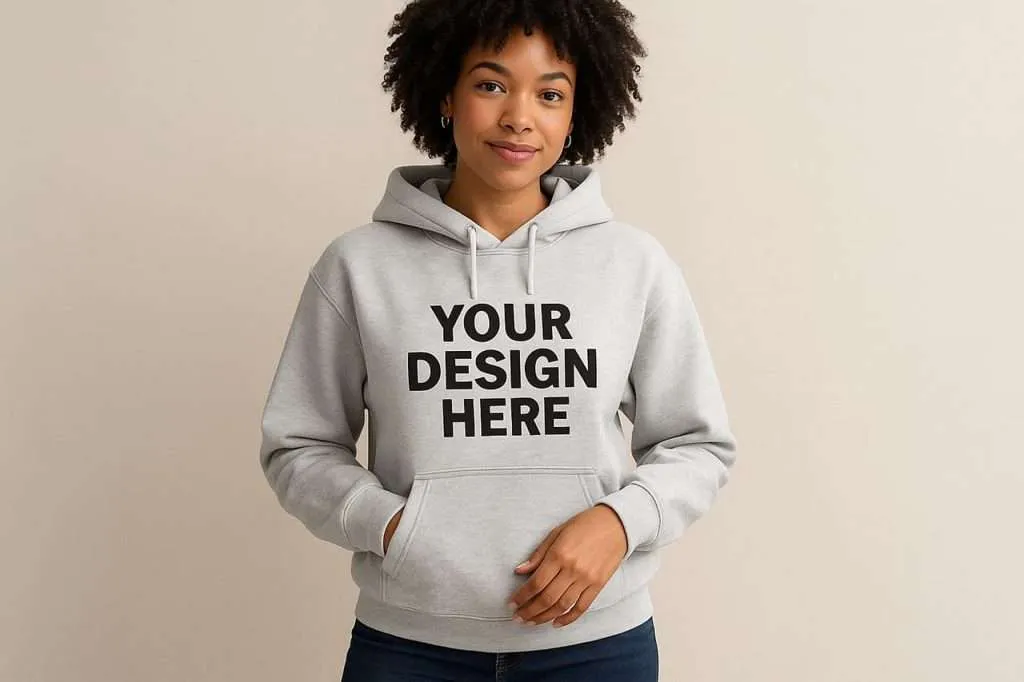
Choosing the right manufacturer is a key step in how to start a custom clothing business.
You have three main options:
a). Print-on-Demand Services:
- Great for beginners
- No inventory needed
- Examples: Printful, Printify
b). Local or Overseas Manufacturers:
- More control over quality and customization
- Better for scaling
- Search platforms: Alibaba, Maker’s Row, Indie Source
c). Private Label Clothing Manufacturers:
- Full branding options
- Ideal for long-term growth
Always request samples first and compare costs, quality, and communication.
6. Set Up Your Branding and Website
Your brand identity should be consistent and memorable. This includes:
- Logo and brand colors
- Slogan or mission statement
- Custom clothing labels and packaging
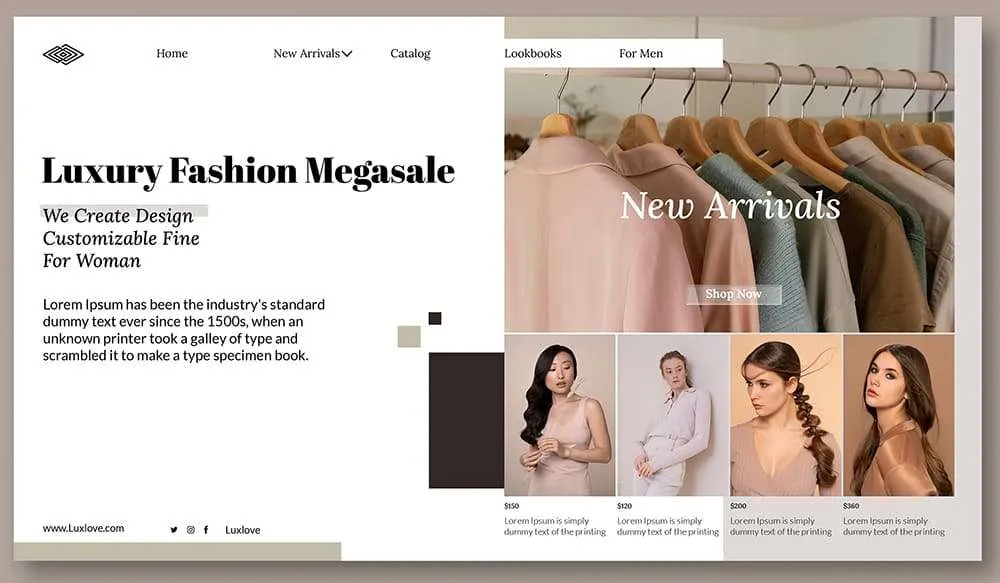
To sell online, create a professional website using:
- Shopify (best for e-commerce)
- Wix (easy drag-and-drop editor)
- WooCommerce (for WordPress users)
Your site should include:
- Product pages with photos and size guides
- About us page
- Secure checkout and shipping details
- Contact and FAQ sections
7. Create Samples and Test Quality
Never launch without testing your products first. Order samples from your manufacturer and check:
- Print and color quality
- Stitching and fabric feel
- Fit and durability
Have friends or influencers test the samples and collect feedback. Making changes early saves time and money later.
8. Step 7: Price Your Custom Clothing
Your pricing should reflect your costs, brand value, and profit margin. Consider:
- Material and production cost
- Shipping and packaging
- Marketing expenses
- Desired profit (usually 30-50%)
Use tiered pricing or bundles to increase average order value.
9. Market Your Brand Effectively
This is where your business comes to life. Focus on platforms where your target audience hangs out:
Marketing Channels:
- Instagram & TikTok: Showcase your designs with videos and reels
- Pinterest: Great for fashion inspiration
- Facebook Ads: For targeted advertising
- Email marketing: Build loyalty with newsletters and discounts
Offer promotions, host giveaways, and use hashtags like:
- #customclothing
- #personalizedfashion
- #smallfashionbrand
Influencer partnerships are also powerful in the custom clothing world.
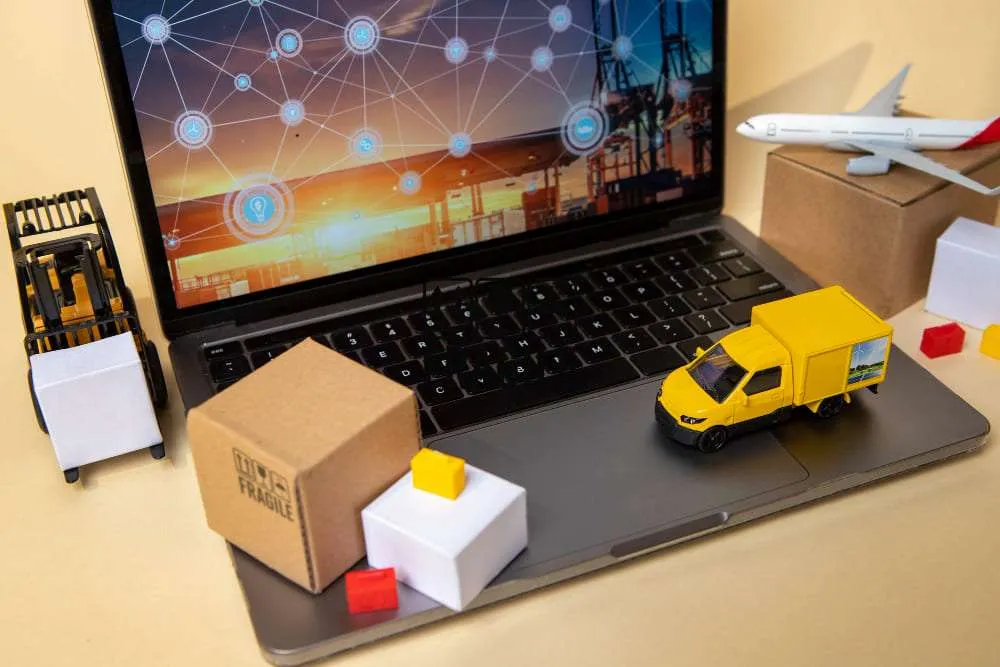
10. Handle Logistics, Shipping, and Fulfillment
You can handle fulfillment in two main ways:
- Self-fulfillment: You store and ship products yourself.
- Third-party logistics (3PL): They store, pack, and ship for you.
If using print-on-demand, this is automated. But if you’re manufacturing in bulk, choose a reliable shipping partner.
Provide tracking, clear delivery times, and good customer service.
11. Scale Your Business
Once you’ve validated your products and gained some sales, it’s time to scale:
- Launch new collections or limited editions
- Open pop-up shops or join local markets
- Expand to wholesale or B2B sales
- Work with fashion influencers or stylists
- Add other product types (e.g., hats, hoodies, accessories)
Keep optimizing your website and ads for keywords like how to get custom clothing made and custom apparel manufacturers to drive organic traffic.
12. Final Tips and Common Mistakes to Avoid
Tips:
- Focus on quality, not quantity
- Build a real community around your brand
- Reinforce your unique selling point
Mistakes to Avoid:
- Rushing into mass production before testing
- Ignoring customer feedback
- Underestimating shipping or customs costs
- Inconsistent branding across platforms
Success in this industry comes from patience, testing, and creativity.
13. Conclusion
Now you know how to start a custom clothing business in 2025—from the first idea to long-term growth. It’s a rewarding journey that combines fashion, business, and personal expression. With the right planning, tools, and mindset, your brand can make a real impact.
If you’re still wondering how to get custom clothing made, start by choosing the right manufacturing partner and building a product you believe in.