Your Reliable High Quality Wholesale Custom Clothing Manufacturers

2025 Fashion Trends: What Industry Insiders Won’t Tell You About Custom Clothing
Animal prints will make a fierce comeback in 2025 fashion trends. Statistics show a remarkable 92% surge between July and September. Next year’s style map shows how personalization drives brand connections with their audience. The era of generic fashion statements has ended.
Fashion in 2025 mirrors our desire to stand out, especially when you have younger generations who express themselves through clothes. Basic items have received surprising upgrades. Sweatpants will likely see a 25% boost in popularity, and people now pair them with heels and bags to create unexpected fashion statements. This tailored movement goes beyond just looks. Consumers now lean toward eco-friendly choices like organic cotton and biodegradable textiles. The 2025 trends showcase technological breakthroughs such as 3D printing and augmented reality fitting rooms that create new possibilities to customize fashion experiences.
This piece reveals insider secrets about custom clothing’s future. You’ll learn about visible changes in consumer priorities, the forces behind these shifts, and the challenges brands quietly face.
The visible trends in custom clothing for 2025
Image Source: Pine Crest Fabrics
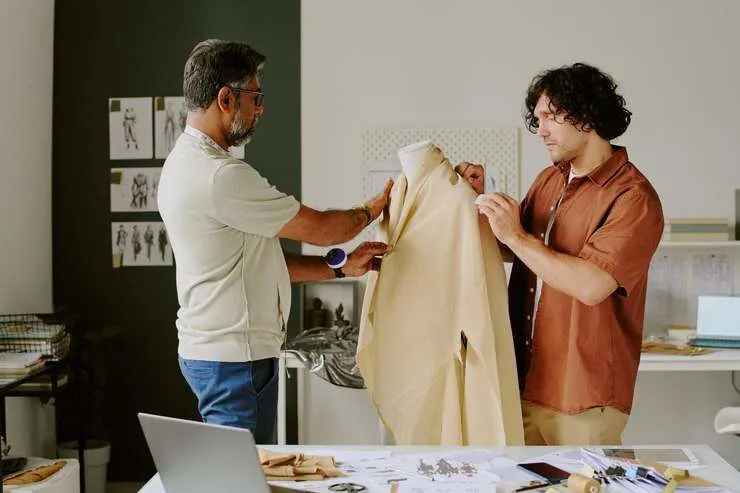
Custom clothing is going through a major transformation as we approach 2025. Customers want unique experiences that show who they are. The industry has responded with state-of-the-art solutions that blend technology with tailored experiences in new ways.
1. Rise of personalized fashion experiences
The custom apparel market will grow by $2.45 billion by 2029, with an 8.4% CAGR. This growth comes from a change in customer priorities. Research shows 71% of customers now choose tailored options over mass-produced clothing.
“Chaotic customization” has become a defining trend. Gen Z customers break free from fashion’s sameness. They choose extreme personalization through layered decorations and unique design elements. This generation values brands that see them as people rather than numbers. They just need experiences that match their unique priorities at every step.
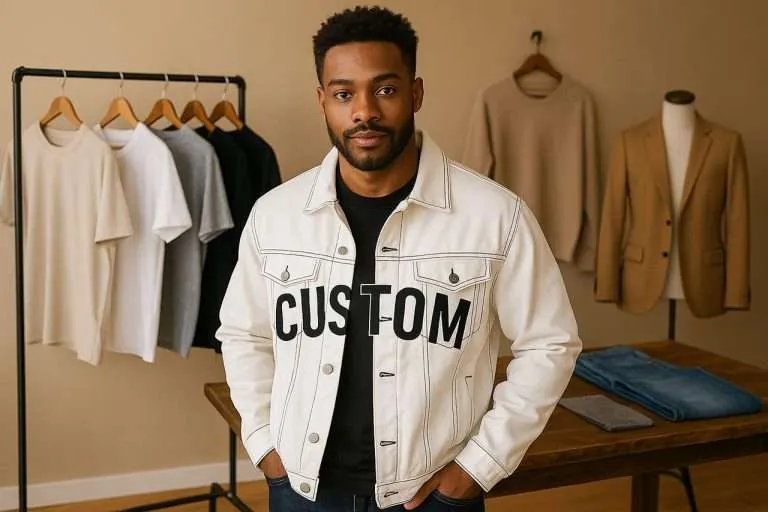
The personalization world now has practical state-of-the-art features like made-to-measure clothing. Customers can pick exact measurements to get a better fit. Many brands let customers add monograms and custom designs to accessories. These options make products more meaningful.
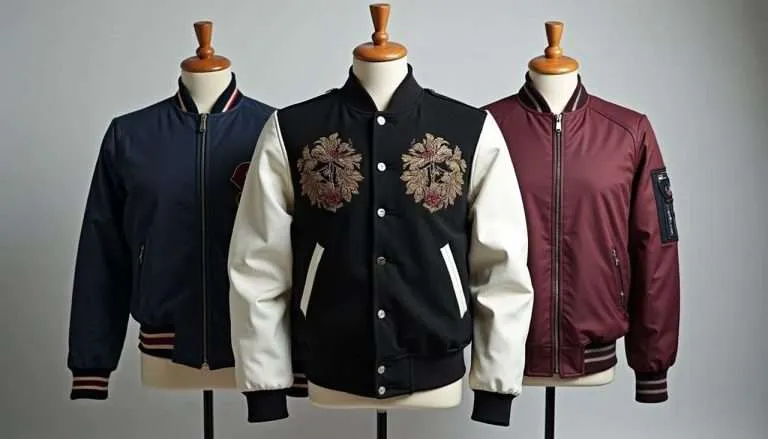
Custom hoodie manufacturers and custom apparel manufacturers are expanding these offerings across all garment types, including streetwear and leisurewear, to meet the rising demand for individuality.
2. Growing demand for sustainable custom pieces
We can’t ignore sustainability in 2025’s fashion trends. Young customers lead this charge. About 73% of Gen Z customers choose brands that care about the environment. Many will pay up to 20% more for eco-friendly products. This generation will make up 17% of total consumer spending by 2030, making their choices more powerful.
Fashion brands have started using eco-friendly materials and ethical manufacturing. The industry creates between 3% and 8% of total greenhouse gas emissions. Now we see a move toward organic cotton, recycled fabrics, and other sustainable materials.
Custom clothing naturally supports green practices by reducing waste. Made-to-order models get rid of extra inventory. Technologies like zero-waste manufacturing set new standards. Companies like Unspun represent this change with their Vega Weaving Technology. They create clothes exactly to customer’s needs, which eliminates fabric waste and overproduction.
The hidden forces driving trends personalized in 2025
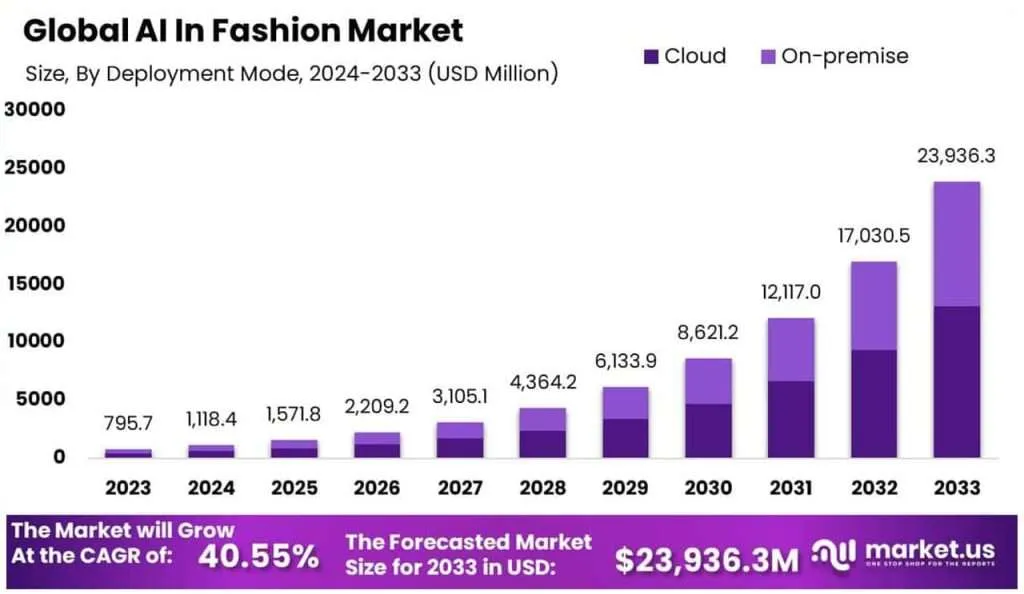
Image Source: Market.us
The custom clothing world of 2025 runs on powerful hidden forces that are changing how we design and buy clothes. These unseen elements are reshaping what customers expect and how the industry responds.
1. AI and data shaping design choices
AI has become the quiet architect of tailored fashion. Research shows 79% of customers want AI to understand their needs and suggest products, while 82% want it to cut down their product research time. This tech-driven change has led 84% of organizations to make tailored experiences their top priority across all customer touchpoints.
AI brings several changes to custom clothing:
- It analyzes what you buy and browse to predict your future style choices
- It creates personal lookbooks with matching outfits and accessories
- It builds style profiles based on your unique taste
These tools help brands create unique experiences that make custom clothing appealing to everyone.
2. Social media’s role in increasing custom fashion
Social media does more than show trends – it creates them. These platforms have become the main way people find new brands, with 38% discovering brands through social media compared to 37% through search engines. Social platforms now work like virtual fashion shows where stylists, influencers, and fashion lovers show off their custom designs.
TikTok’s algorithm excels at helping users find content they love, which helps them discover new brands based on what they like. The platform has grown into a major trendsetter with 33 million US users in 2023, showing a 40% jump from 2022.
3. Economic shifts influencing consumer behavior
Money matters quietly shape how people think about custom clothing. People in developed countries have more spending money now, so they’re willing to buy high-end, custom-made clothes. At the same time, inflation makes people more price-conscious, creating a need for different price points and stronger brands.
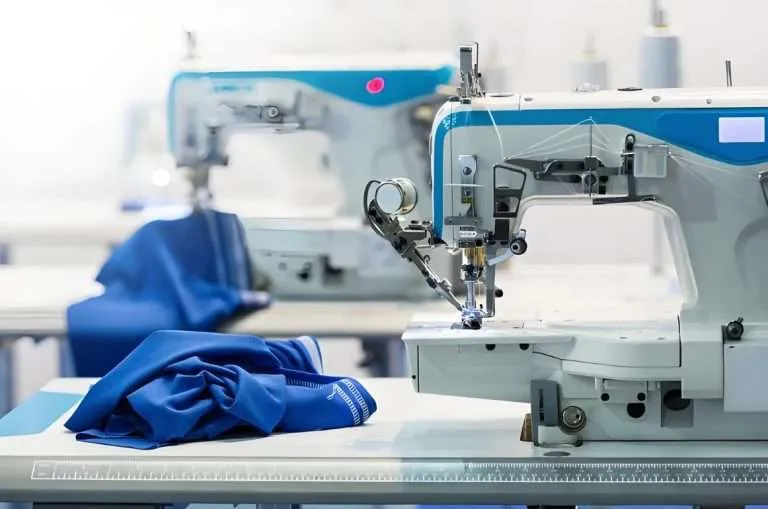
Custom clothing makers now use on-demand production, making clothes only after someone orders them. This approach wastes less inventory and matches people’s interest in sustainability – perfect for today’s selective shoppers.
To meet this shift, many t shirt manufacturers in the USA are pivoting to flexible production models that allow short-run batches and faster turnaround times while maintaining product quality.
Challenges brands don’t talk about in custom clothing
Custom clothing brands face their most important operational challenges behind the scenes, far from their glossy marketing campaigns and influencer collaborations. These hidden obstacles could derail the customization revolution as we look toward 2025 fashion trends.
1. Balancing personalization with scalability
Most firms hesitate to embrace mass customization due to logistical challenges of tailoring garments and long manufacturing times. Finding the sweet spot between customization and affordability remains a delicate balance for brands of all sizes.
Scalability creates another major roadblock. High-end items like couture or bespoke suits naturally fit customization because of their price points. The challenge lies in bringing similar customization to everyday apparel through optimized manufacturing. Poor implementation of mass customization can worsen overproduction issues and make sustainability targets harder to reach.
Brands need precise traceability details, body measurements, color analysis, style priorities, and visual forecasting capabilities to deliver customized experiences. The technology to convert 2D measurements into 3D models remains basic, which creates a major barrier to scaling personalized production.
2. Managing supply chain complexity for custom orders
Supply chains that cater to individual priorities create longer production times and higher costs than traditional mass production. Fashion supply chains will face “incredible duress” in 2025 from raw material procurement, labor issues, and logistics management challenges.
Clothing manufacturers must now create agile systems that can handle personalized orders at scale while maintaining ethical standards and production transparency.
Supply chain transparency makes these challenges harder. Brands must understand “who and what is in their supply chains” while addressing forced labor concerns and ethical issues. Tracking individual customer orders across maritime, road, air, and rail shipments seems simple but involves complex systems that quickly become messy.
Companies must find the right balance between personalization and mass production to make hybrid mass customization profitable and eco-friendly. This requires building resilient, agile supply chains with up-to-the-minute data analysis and diverse sourcing strategies—capabilities that many brands still struggle to implement well.
What the future holds for custom clothing beyond 2025

Image Source: AAFT
Technology and individual-specific experiences will meet in ways we only saw in science fiction beyond 2025 fashion trends. Custom clothing’s development will speed up dramatically after 2025 and reshape how we interact with fashion.
1. Hyper-personalization through AI
AI will transform from simple recommendation engines to active co-creators in custom clothing’s next phase. AI systems will create unique clothing patterns by analyzing consumer data, body measurements, and movement patterns. By 2026, these AI platforms will become by a lot more advanced. Customers will work together directly with algorithms to create designs that match their style priorities.
Algorithmic personalization will redefine shopping and make fashion more available. Brands that exploit first-party data through AI will create complete customer profiles to deliver one-to-one experiences. Research shows 71% of global consumers expect personalized interactions with companies. This proves hyper-personalization has become the standard rather than a luxury.
2. Integration of wearable tech into custom designs
Smart textiles represent maybe even the most profound advancement for custom clothing. Future garments will feature sensors, LED lights, and conductive fibers as standard elements. These fabrics will track health metrics like heart rate and body temperature while providing live posture monitoring.
Interactive clothing that responds to environmental stimuli will become a major trend. Garments will change color or shape based on temperature or the wearer’s priorities. Athletes and fitness enthusiasts will get instant feedback on performance metrics from their custom clothing. Temperature-adaptive clothing will reduce the need for multiple layers and decrease overall textile waste.
Technology integration goes beyond functionality into sustainability. State-of-the-art developments like synthetic spider silk combine biomimicry with wearable technology to offer exceptional heat retention with minimal carbon footprint. These advances show what a world of custom clothing can be – not just fashion statements but dynamic tools that enhance our lives.
Conclusion
Custom clothing is changing the fashion landscape as we look toward 2025. The fashion industry has moved away from mass production to create customized experiences that showcase individual identity. Young consumers want clothes that express who they are instead of following preset trends.
Technology drives this transformation. AI algorithms study our priorities with great accuracy. Social media helps people display their unique styles worldwide. Economic changes have created new possibilities and obstacles that make brands rethink their traditional approaches.
Fashion innovators keep developing solutions despite major challenges in scaling and managing supply chains. These solutions help balance customization with business needs. Brands that can direct these complex changes will become industry leaders soon.
The outlook past 2025 shows promise as advanced AI makes extreme personalization common and wearable tech merges with our clothes naturally. Smart fabrics that adapt to surroundings and provide instant feedback mark just the start of this new frontier.
Custom clothing has become more than just another trend – it shows how differently we now connect with fashion. Technology, sustainability, and self-expression meet to reshape the industry and create fresh opportunities for everyone involved. Companies that welcome these changes rather than resist them will lead fashion’s biggest transformation in decades. Contact us now.
FAQs
1. How much does it cost to make a custom t-shirt or hoodie?
The cost can vary depending on the materials used, the level of personalization, the production method, and the order quantity. Generally, prices range from a few dollars for basic items to higher amounts for premium or sustainable options.
2. What’s the difference between custom clothing and mass-produced fashion?
Custom clothing is made specifically to fit individual preferences and measurements, often with design input from the buyer. Mass-produced fashion is manufactured in large quantities using standardized sizes and designs with little room for personalization.
3. Can I place a bulk order for personalized clothing?
Yes, many companies offer bulk ordering options for personalized clothing. These options are great for events, businesses, or brand launches, allowing customization across various garments while maintaining consistency.