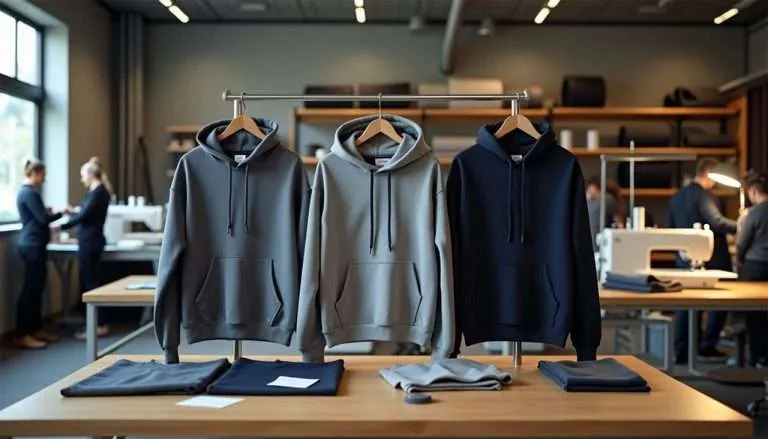
Your Reliable High Quality Wholesale Custom Clothing Manufacturers

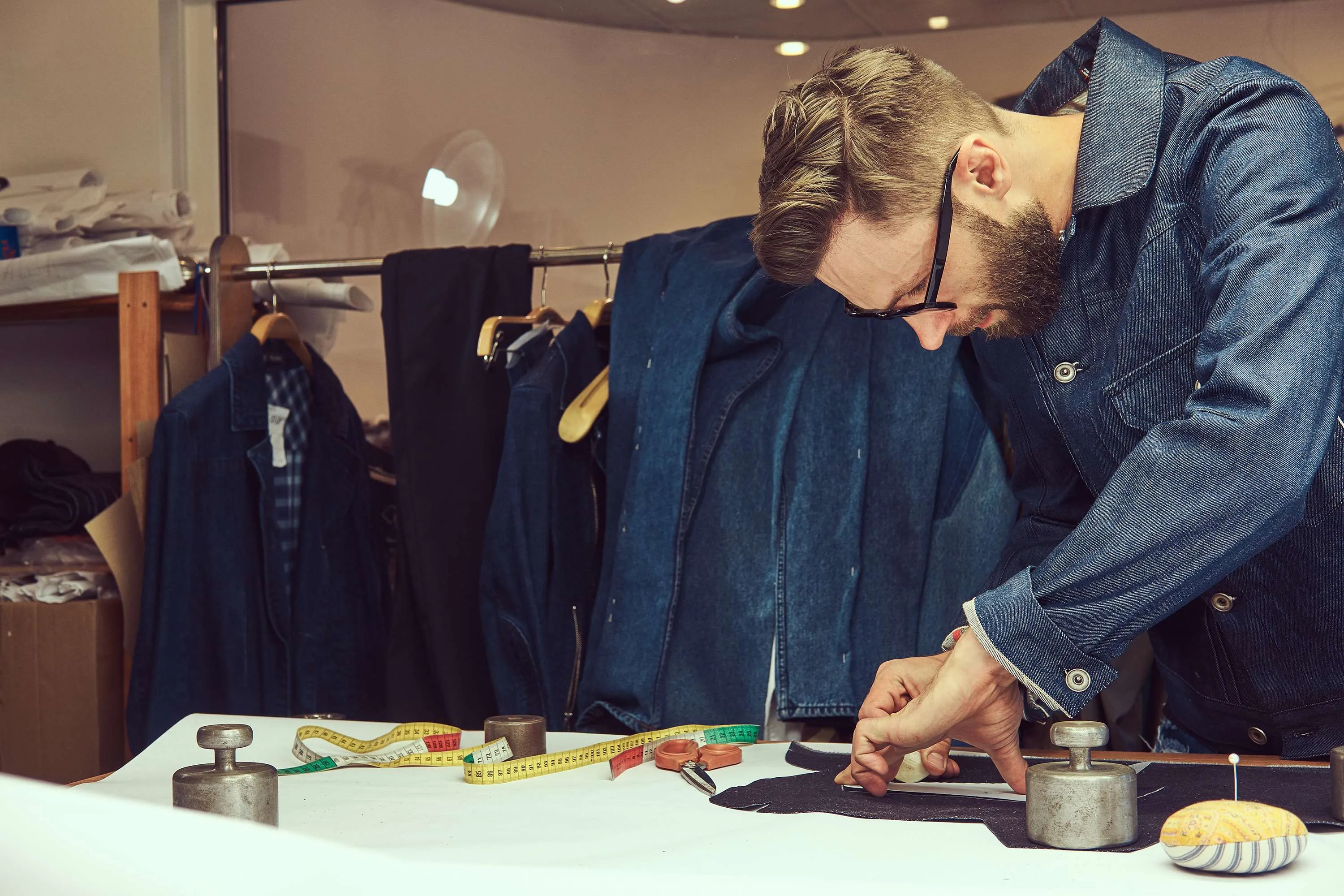
How to Find and Work with a Custom Clothing Supplier
Choosing the right custom clothing supplier is critical for any fashion brand or startup. The right partner ensures high-quality garments, timely delivery, and smooth custom apparel production. In contrast, a bad supplier can cause poor-quality products, missed launch dates, and extra costs. For fashion startups especially, the stakes are high – finding the right manufacturer can turn a fashion dream into reality instead of a disaster. The global apparel market is booming (projected at $77.6 billion by 2026), so making smart decisions about suppliers can set your brand apart from the competition.
What to Look for in a Clothing Supplier
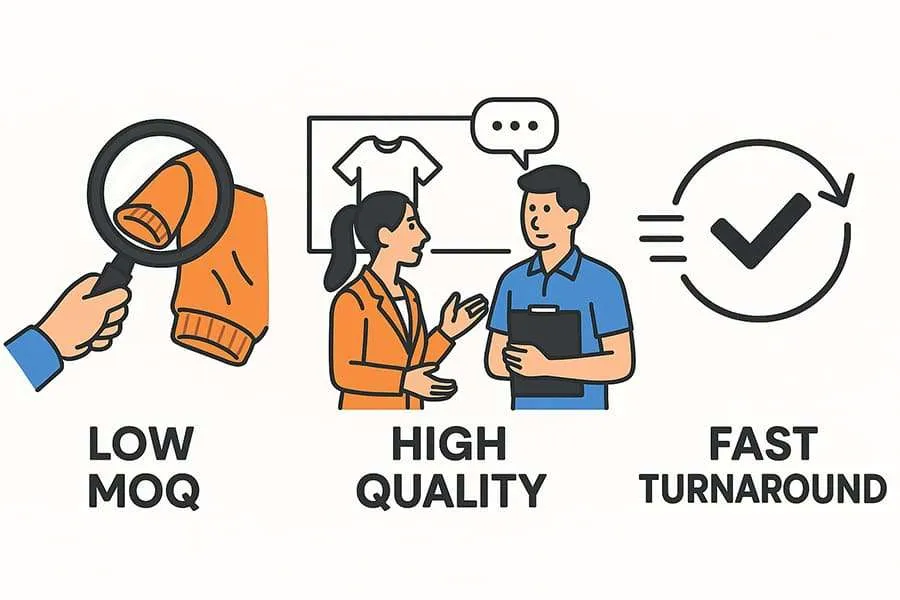
When scouting suppliers, focus on the factors that matter most to your brand. Key considerations include:
- Quality and Experience: Look for a supplier with a proven track record of crafting high-quality garments. An experienced clothing manufacturer in your niche will likely have strong quality control processes. Ask about their inspection procedures and whether they’ve produced similar designs before. (Note: factories unfamiliar with your product type may struggle to meet standards.)
- Communication and Transparency: Choose a partner who communicates clearly and promptly. Detailed tech packs and regular updates are essential. Clear communication is the backbone of a strong supplier relationship. The supplier should ask clarifying questions and give you progress reports to avoid costly misunderstandings.
- Turnaround Time (Lead Time): Ensure the custom clothing supplier can meet your schedule. Find out their typical lead times for sampling and full production. Some factories can turn jobs around quickly, while others take weeks or months. If you have tight product launch dates, make sure the supplier’s timelines align with your needs.
- MOQ (Minimum Order Quantity): Clarify the minimum order requirements up front. Some manufacturers impose high MOQs, which can be a problem for small brands. Many private-label and made-to-order suppliers offer low MOQ options suited to startups. In fact, many private-label manufacturers explicitly advertise low MOQs, allowing a small initial run before you scale up. (Working with a low MOQ clothing supplier lets you test designs without excess inventory.)
- Price and Budget: Get quotes from several suppliers to compare costs. Keep in mind that the cheapest option may cut corners on materials or labor. Discuss your budget openly – a good supplier will suggest ways to balance cost with quality (for example, choosing different fabrics).
Types of Clothing Suppliers
Suppliers vary by location and production model. Understanding these differences will help you choose what fits your brand.
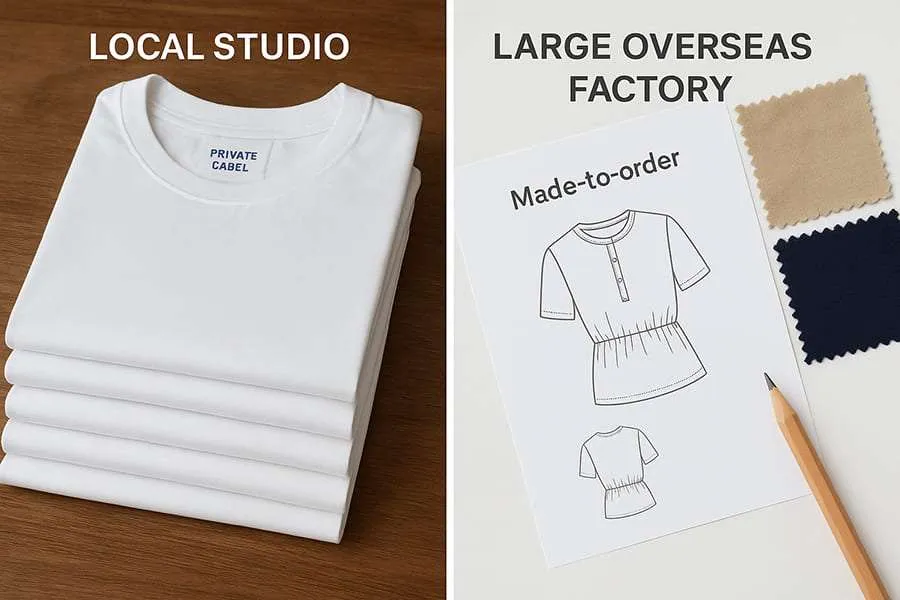
Domestic vs. Overseas Suppliers
- Domestic (Local) Suppliers: Working with a domestic or nearby custom clothing supplier often means easier communication (no significant time-zone or language barriers) and faster shipping. Domestic manufacturers frequently adhere to stricter quality standards and ethical labor practices, and you can more easily visit their factory for oversight. In short, domestic suppliers tend to offer better quality assurance and shorter lead times, which many startups value.
- Overseas Suppliers: Factories abroad (often in Asia, Eastern Europe, etc.) can provide significant cost savings due to lower labor and production costs. However, they may require larger minimum orders and involve longer shipping times. Communication can be more challenging if there’s a language barrier, and quality standards can vary. If you choose an overseas partner, vet them carefully and be mindful of longer turnaround expectations.
Private Label vs. Made-to-Order
- Private Label Manufacturers: A private label clothing manufacturer produces garments according to their own in-house designs, which you then brand as your own. These suppliers typically offer a catalog of styles (e.g. tees, hoodies) that you can customize with logos, labels, or minor tweaks. Private-label production can be faster and more cost-effective because the design work is already done. This model is great for startups that want a straightforward way to launch a brand without designing from scratch.
- Made-to-Order (Custom Production): Made-to-order or fully custom clothing suppliers build products exactly to your specifications – from pattern-making to final stitching. Custom apparel production gives you maximum control over every detail (fit, fabric, prints, trims) but usually comes at a higher price and longer lead times. In other words, “custom clothing is made-to-order according to the buyer’s specifications, while private label clothing is ready-made and simply branded”. Custom orders are ideal if you need unique designs, but if you just want to start a label quickly with basic styles, private-label production might be easier and cheaper.
How to Vet a Custom Clothing Supplier
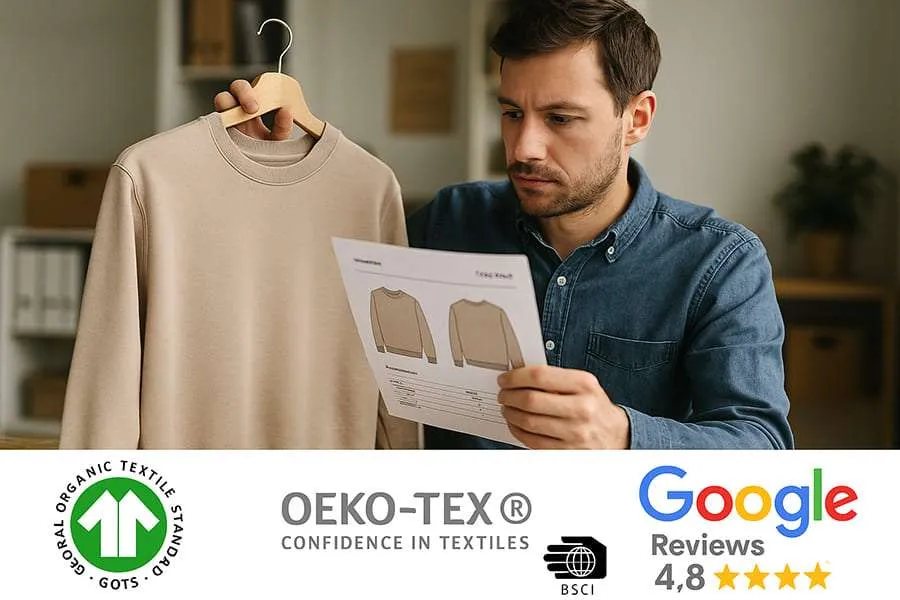
Before signing any contracts, do your homework to ensure reliability and quality. Here are some vetting steps:
- Request Samples: Always ask for physical samples of the actual garment or fabric. Inspect stitching, fabric feel, and overall finish to make sure it meets your standards. A sample will reveal the real quality better than any brochure.
- Verify Certifications: If your brand emphasizes sustainability or ethical production, ask about certifications (e.g. OEKO-TEX, GOTS organic, BSCI) the clothing factory holds. Valid certifications ensure the custom clothing supplier follows certain quality or environmental standards.
- Research Reputation: Look up reviews and ask for references. Talk to other brands who have worked with the supplier or read online testimonials. Previous clients can tell you how the supplier handles quality issues and deadlines. If many reviews mention delays or subpar quality, take it as a warning.
- Check Their Portfolio: Review the supplier’s past work or client list. A strong portfolio in your product category indicates experience. If they have no portfolio, that’s a red flag.
- Factory Visit or Audit: When possible, visit the garment factory or request an audit. Seeing the production floor and workflow can reveal whether their quality control and working conditions match your expectations. (If you can’t visit in person, video tours or third-party audits are alternatives.)
Building a Strong Long-Term Partnership

Once you’ve chosen a custom clothing supplier, treat the relationship as a two-way partnership. Good suppliers will help your brand grow, so nurturing the relationship is key:
- Communicate Clearly and Promptly: Provide detailed tech packs (spec sheets), ask clarifying questions, and schedule regular check-ins. Clear, upfront communication about timelines, materials, and expectations prevents costly misunderstandings.
- Be Reliable and Professional: Honor your commitments. Pay invoices on time, respond quickly to inquiries, and meet agreed deadlines for approvals or material shipments. When suppliers know they can count on you, they’re more likely to prioritize your orders and even assist with minor issues.
- Respect Their Expertise: Your clothing manufacturer is a production expert. Be open to their suggestions on fabrics, construction techniques, or cost-saving measures. A collaborative attitude helps optimize quality and can even spark innovative ideas.
- Handle Issues Constructively: If something goes wrong (e.g. a production delay or quality flaw), address it calmly and work together on a solution. Avoid blame; instead, discuss how to fix the problem and prevent recurrence. This constructive approach shows the supplier you value the partnership.
- Give Feedback and Show Appreciation: Finally, say thank-you and give credit for good work. Provide constructive feedback on what went well or could improve. A little courtesy builds goodwill and loyalty. As one expert notes, small gestures like thanking your supplier or giving feedback “go a long way” in maintaining a positive relationship.
By following these tips, you can turn a one-time transaction into a long-term collaboration.
Conclusion
In summary, choosing the right custom clothing supplier is a strategic decision that can make or break your fashion startup. Focus on partners who deliver high quality, clear communication, realistic lead times, and reasonable order sizes (including low MOQ options) for small batches. Thoroughly vet candidates by sampling products, checking credentials, and researching their track record. Once you start production, build a respectful, transparent relationship – communicate often, be reliable, and appreciate your supplier’s expertise. Strong partnerships tend to yield “better quality control…fewer delays and smoother production cycles”, translating into cost savings and happier customers.
Ultimately, smart decision-making in custom clothing manufacturers selection lets your brand confidently scale. By taking the time to find and nurture the right custom clothing supplier, your fashion startup will be well-positioned to bring stylish, high-quality apparel to market.