Your Reliable High Quality Wholesale Custom Clothing Manufacturers

The History and Evolution of the Polo Shirt in Fashion
The polo shirt is one of the most enduring pieces in the world of fashion, cherished for its versatility, timeless appeal, and easy-going elegance. From its humble beginnings as a sports garment to becoming a wardrobe staple in both casual and smart-casual outfits, the polo shirt has experienced an evolution that spans decades. As a leading clothing manufacturer, Topfit understands the importance of creating polo shirts that combine both heritage and modern innovation. In this article, we take a look at the fascinating history and evolution of the polo shirt, examining how this classic garment has shaped and been shaped by fashion over time.
Origins of the Polo Shirt: A Sports Icon
The roots of the polo shirt can be traced back to the game of polo, which dates back to the 19th century. Polo, a sport played on horseback, originated in Central Asia and became popular in England and India during the British Empire. The players, who spent long hours in the saddle, required clothing that was both functional and comfortable, leading to the invention of a shirt that was more practical than the traditional button-down shirts worn during that era.
The first precursor to the modern polo shirt was the polo jersey, which was introduced in 1850s India. These shirts were made of light cotton and featured a short-sleeved design with a collar. They were worn by polo players to keep cool during the physically demanding game. The shirts were often made from knitted fabric, allowing for greater flexibility and comfort than the woven shirts previously worn in sports.
The Birth of the Modern Polo Shirt: René Lacoste’s Innovation
The modern version of the polo shirt, as we know it today, owes much of its design and popularity to René Lacoste, a French tennis champion and businessman. In 1926, Lacoste revolutionized tennis fashion when he wore a short-sleeved, knitted cotton polo shirt with a soft collar during his matches at Wimbledon. At the time, players wore long-sleeve button-up shirts, which were not ideal for the sport due to their discomfort and lack of flexibility.
Lacoste’s design was a game-changer—his polo shirt featured a piqué knit fabric, which was breathable, lightweight, and had a slight texture that helped with air circulation. The polo also introduced the collar and button placket, which allowed players to adjust the fit for comfort. Lacoste’s shirt was not just about functionality—it became a symbol of style and sophistication.
In 1933, Lacoste went on to launch his own brand, Lacoste, and began producing polo shirts for the public. He added the now-iconic crocodile logo, which symbolized his nickname and became a status symbol over time. The polo shirt gained popularity in the world of tennis and beyond, as it was adopted by athletes in a variety of sports, including golf and sailing.
Polo Shirts in the Mid-20th Century: From Sportswear to Casual Wear
By the 1950s and 1960s, the polo shirt had expanded beyond the courts and fields of sport, becoming a fashionable option for leisure and casual wear. The shirt was embraced by the preppy subculture in the United States, thanks to its association with ivy league schools and elite universities. This era saw the polo shirt paired with khakis, chinos, and blazers as part of the well-groomed, polished “preppy” style.
During the same time, the polo shirt began to be worn by prominent figures outside of sports. Celebrities like James Dean, Steve McQueen, and Paul Newman were often photographed wearing polo shirts, adding an air of effortless cool to the garment. The polo was no longer just for athletes—it had become a symbol of refined leisure.
The 1980s and 1990s: The Polo Shirt as a Fashion Statement
The 1980s and 1990s marked a major turning point for the polo shirt, as it became a key component of both luxury fashion and street style. This period saw the polo shirt evolve into a fashion statement, thanks in part to the influence of various brands and designers.
In the 1980s, brands like Ralph Lauren played a significant role in promoting the polo shirt as a symbol of luxury and sophistication. Ralph Lauren’s iconic Polo Ralph Lauren line featured the classic polo shirt with the brand’s signature horse logo, further elevating its status in the fashion world. The polo became synonymous with elegant casual wear, often paired with chinos or jeans and accessorized with belts and loafers.
Meanwhile, the preppy aesthetic continued to thrive, and the polo shirt was worn by students, professionals, and those in more affluent social circles. The style was clean, classic, and often associated with country clubs and outdoor activities.
In the 1990s, the polo shirt also entered the realm of streetwear and hip-hop fashion. Hip-hop artists like Nas, Tupac, and Biggie Smalls were frequently seen wearing oversized polo shirts, often layered with jackets and accessories. The polo shirt became a symbol of rebellion against more formal, traditional styles, while still maintaining its roots in casual, sporty wear.
The 21st Century: Polo Shirts in Modern Fashion
In the 21st century, the polo shirt has continued to evolve, adapting to the changing needs of the fashion industry. Today, it is as much a streetwear essential as it is a piece of smart-casual attire. The polo shirt remains a staple in business casual wardrobes, often paired with chinos, tailored trousers, or denim for a polished yet approachable look.
As fashion trends have become more inclusive, polo shirts are now available in a wide range of styles, fits, and materials to suit various body types and preferences. Brands like Topfit have taken the classic design and reimagined it with modern cuts, fabrics, and colour palettes, ensuring the polo shirt remains relevant for both traditional and contemporary styles.
Key Polo Shirt Trends in the 21st Century
- Performance Fabrics: Polo shirts are now made from technical fabrics that provide added comfort and performance. Materials like moisture-wicking polyester, stretch fabrics, and breathable cotton blends make the polo shirt suitable for a variety of activities, from golf and tennis to active wear and travel.
- Slim and Tailored Fits: Today’s polos are designed with a slimmer, more tailored fit that flatters the body and gives a more refined look. The shift towards more structured fits has made the polo shirt a popular option for both professional and smart-casual occasions.
- Bold Colours and Patterns: While the classic polo shirt in solid colours like white, navy, and black is timeless, today’s polos come in a wider variety of shades, from bright hues to pastel tones. Additionally, polo shirts with stripes, prints, or colour-blocking are increasingly popular, making them a fun and stylish option for various occasions.
- Luxury Polo Shirts: The polo shirt has become a key piece in luxury fashion collections. Brands like Gucci, Burberry, and Prada have incorporated high-end materials such as silk, merino wool, and cashmere into their polo shirt designs, creating garments that are both comfortable and luxurious.
Topfit: Modern Polo Shirts for Every Occasion
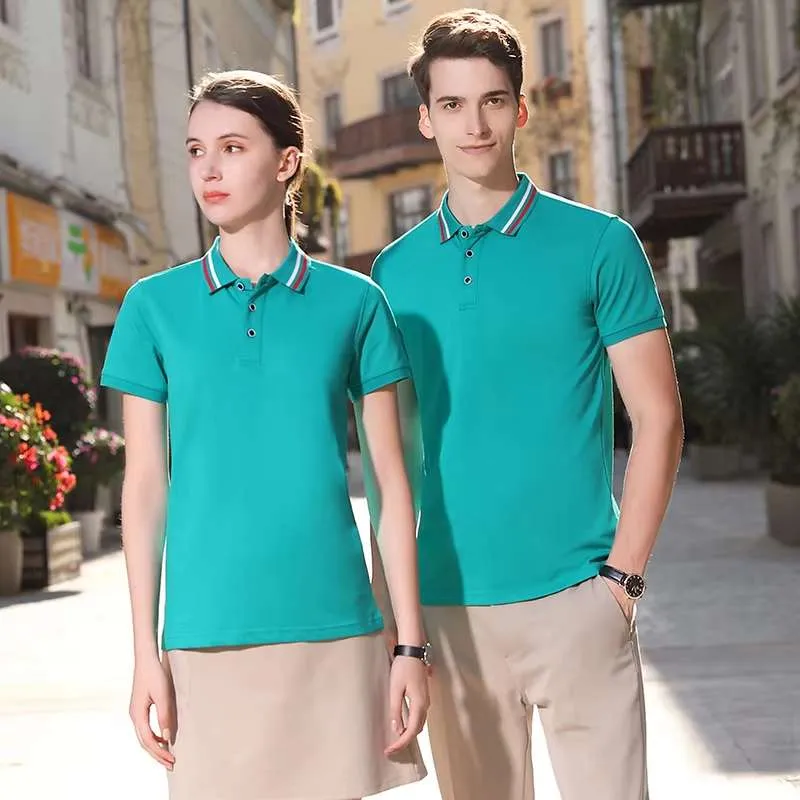
At Topfit, we’re proud to continue the legacy of the polo shirt, offering contemporary designs that cater to today’s fashion-forward individuals. Our polo shirts are crafted from high-quality materials, ensuring comfort and durability, while the sleek, modern cuts provide a flattering fit for all body types. Whether you’re looking for a polo for everyday wear, business casual attire, or a performance-focused polo for sports, Topfit has a design that suits your needs.
Conclusion
The polo shirt has come a long way since its origins as a practical garment for polo players in the 19th century. Through the years, it has evolved into a versatile, timeless piece that can be styled for a wide range of occasions. From its beginnings as a sporting necessity to its place in luxury fashion, the polo shirt has proven its adaptability and enduring appeal. At Topfit, we continue to innovate with designs that blend classic style with modern trends, ensuring that the polo shirt remains a wardrobe essential for the fashion-conscious individual.