Your Reliable High Quality Wholesale Custom Clothing Manufacturers

The Art of Embroidery on Clothing
Embroidery is a centuries-old craft that has evolved into an enduring art form, combining functionality, creativity, and tradition. From its humble beginnings as a method of stitching simple patterns onto fabric for practical purposes, embroidery has grown into a celebrated technique used to decorate, personalize, and elevate clothing. The intricate nature of embroidery, coupled with its versatility, makes it one of the most sought-after embellishments in the fashion industry. Whether for branding, personal expression, or adding a touch of elegance, the art of custom embroidery on clothing is as relevant today as it was in ancient times.
A Brief History of Embroidery
Embroidery has its roots in ancient civilizations, with evidence of the craft dating back thousands of years. From the intricate silk patterns of imperial China to the vibrant motifs of India and the elaborate gold-threaded designs of medieval Europe, it has been a universal language of art and identity. In its earliest form, it was used to strengthen clothing or patch worn fabrics, but it quickly became a means of storytelling and symbolizing status and wealth.
In the Middle Ages, embroidered garments were often associated with royalty and religious institutions, showcasing intricate patterns crafted with precious materials. Over time, embroidery techniques spread across continents, with each culture contributing unique styles and motifs. Today, embroidery remains a timeless art, blending traditional methods with modern technology to create stunning designs on clothing.
The Role of Embroidery in Fashion
Embroidery plays a transformative role in fashion, elevating even the simplest garments into pieces of art. Its ability to add texture, color, and detail makes it a favorite among designers and consumers alike. In high fashion, embroidery is often used to create intricate patterns on dresses, jackets, and accessories, adding an air of sophistication and luxury.
Beyond haute couture, embroidery is a staple in casual wear and streetwear. It’s found on everything from t-shirts and hoodies to denim jackets and sneakers, offering a unique way to personalize clothing. Whether subtle or bold, embroidered designs allow wearers to express their identity and style, making each piece of clothing a reflection of individuality.
Techniques of Embroidery on Clothing
It is a versatile craft with a wide range of techniques, each offering distinct textures and effects. Some of the most popular methods used in clothing include hand embroidery, machine embroidery, and digital embroidery. Each technique has its unique characteristics, catering to different design needs and levels of intricacy.
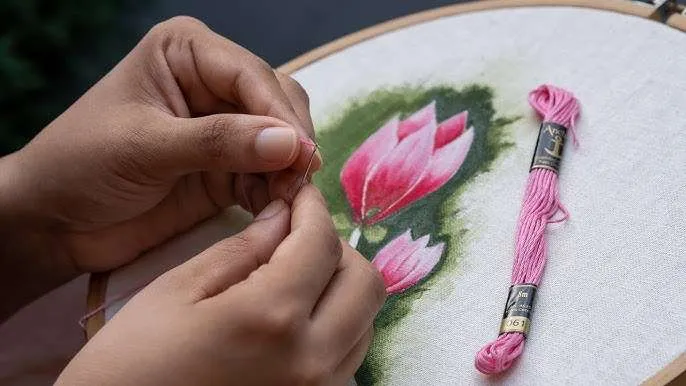
Hand embroidery, the most traditional form, is prized for its personal touch and artisanal quality. It involves stitching designs directly onto fabric using needles and thread, offering endless possibilities for creativity. While time-intensive, hand embroidery allows for intricate detailing and subtle variations that add character to the finished product.
Machine embroidery, introduced in the 19th century, revolutionized the art form by enabling faster and more consistent stitching. With the advent of modern embroidery machines, complex patterns can be replicated with precision on various fabrics, making the process accessible to both large-scale manufacturers and small businesses.
Digital embroidery is the latest innovation in the field, combining traditional techniques with advanced technology. Using computer software, designs are digitized and stitched onto clothing with remarkable accuracy. This method is ideal for achieving intricate, multicolored patterns, making it a popular choice for branding, uniforms, and custom clothing.
The Versatility of Embroidery
One of the most compelling aspects is its versatility. It can be virtual any type of clothing, from delicate fabrics like silk and chiffon to durable materials like denim and leather. This adaptability allows embroidery to complement a wide range of styles and purposes.
In casual wear, it adds flair and personality to everyday staples like t-shirts, caps, and hoodies. A simple embroidered logo or phrase can turn a plain garment into a statement piece. In formal wear, embroidery is to create intricate embellishments that exude elegance and sophistication. Many global producers, including leading custom clothing manufacturer China suppliers, are integrating advanced embroidery techniques to deliver quality at scale while maintaining cost-efficiency.
For example, embroidered lace patterns on evening gowns or suits add depth and texture, enhancing their visual appeal.
Beyond fashion, embroidery is commonly used in workwear and uniforms. Custom embroidered logos and names lend a professional appearance while reinforcing brand identity. This makes embroidery a preferred choice for businesses, sports teams, and organizations looking to create cohesive and recognizable apparel.
Cultural Significance of Embroidery
Custom Embroidery is deeply rooted in cultural traditions, often serving as a medium to convey stories, beliefs, and heritage. Across the globe, embroidered patterns carry symbolic meanings that reflect the history and values of their origins. In Eastern Europe, for instance, intricate floral motifs represent prosperity and protection, while in India, embroidery is a vital part of bridal attire, symbolizing love and new beginnings.
These cultural ties make embroidery not just a decorative technique but a form of art that preserves and celebrates identity. Today, many fashion designers draw inspiration from traditional embroidery to create contemporary pieces that honor their heritage. By incorporating these elements into modern clothing, embroidery continues to bridge the gap between tradition and innovation.
The Personalization Factor
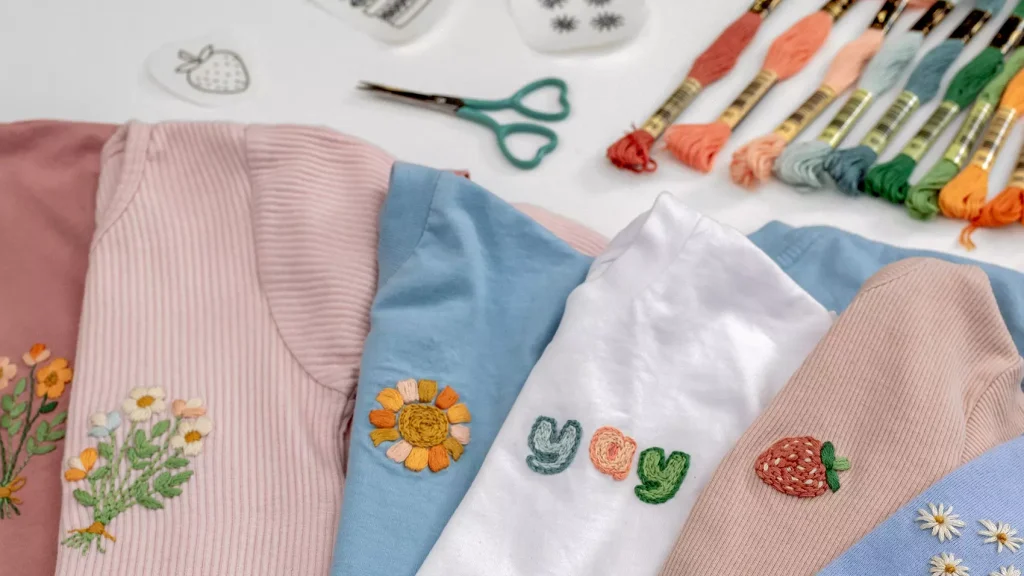
One of the most appealing aspects of embroidery is its ability to personalize clothing. Unlike other decorative techniques, embroidery offers a tactile quality and permanence that make it ideal for custom designs. From monograms and initials to unique graphics and messages, embroidery transforms clothing into meaningful keepsakes.
This personalization extends to businesses as well. Embroidered logos and branding elements are a popular choice for promotional apparel, adding a professional and polished look to uniforms and merchandise.
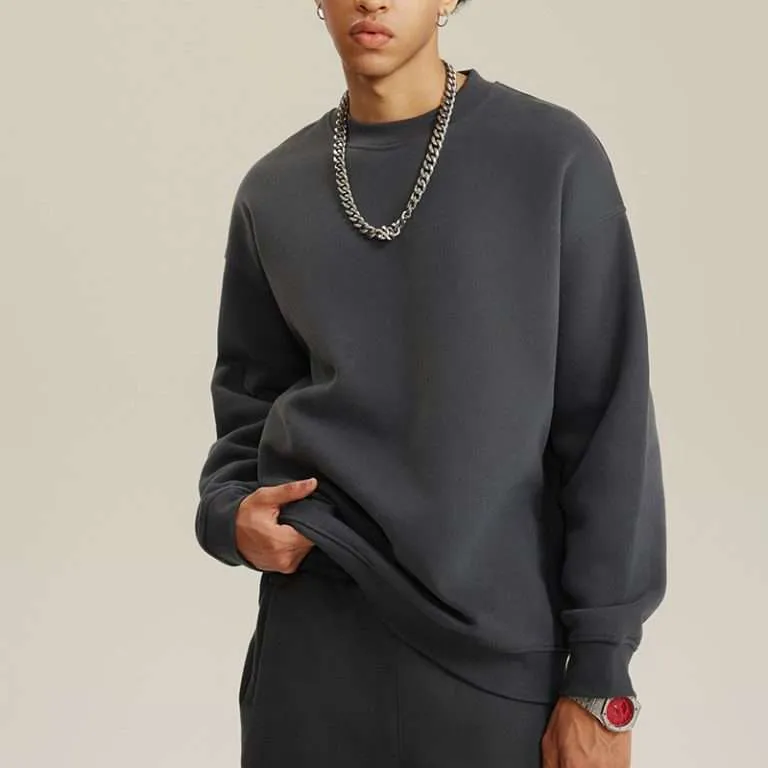
Brands seeking differentiation often use embroidery on private label sweatshirts, enhancing their value while keeping the design exclusive and on-brand.
The durability of embroidery ensures that these designs remain intact even after repeated use, making them a reliable and long-lasting branding tool.
Sustainability in Embroidery
As sustainability becomes increasingly important in the fashion industry, embroidery is gaining recognition for its eco-friendly potential. Unlike printed designs, which often rely on chemical dyes and inks, embroidery uses threads and stitching techniques that have a minimal environmental impact. Additionally, embroidered designs are highly durable, reducing the need for frequent replacements and contributing to a more sustainable wardrobe.
Many embroidery studios and manufacturers are adopting ethical practices, such as using organic or recycled threads and minimizing waste. These efforts align with the growing demand for environmentally conscious fashion, making embroidery a responsible choice for designers and consumers alike.
Caring for Embroidered Clothing
Proper care is essential to maintain the beauty and integrity of embroidered clothing. While embroidery is durability, it requires gentle handling to prevent damage to the threads and fabric. Washing embroidered garments in cold water, avoiding harsh detergents, and air-drying are some of the best practices to ensure longevity.
For hand-embroidered or delicate pieces, dry cleaning is often to preserve their intricate details. Storing embroidered clothing in a cool, dry place and avoiding direct sunlight can also help maintain their vibrancy and prevent fading over time.
Modern Applications of Embroidery in Streetwear and Athleisure
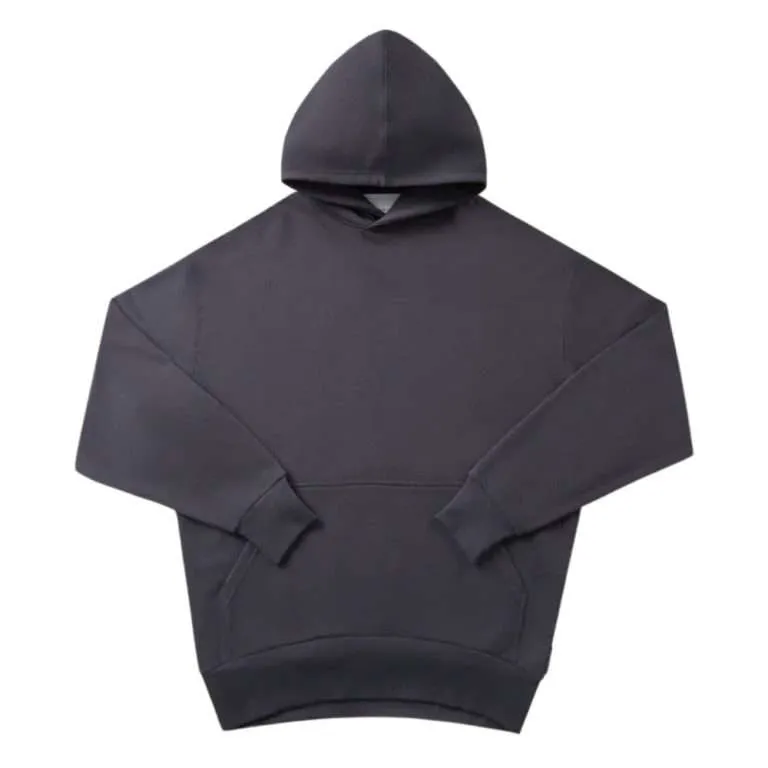
Embroidery is no longer limited to formalwear or traditional garments. In streetwear and athleisure, it adds visual interest, dimension, and authenticity. At Topfit, embroidery transforms basic loungewear into statement pieces, especially on products like wholesale oversized hoodies, where detail and quality stand out in everyday wear.
- Designers are blending embroidered graphics with bold colors for a street-style edge.
- Custom embroidered logos are now a key part of athleisure branding.
- Embroidered patches or artwork on joggers and hoodies create wearable statements.
Comparison of Embroidery vs Other Decoration Techniques
When compared to other t shirt printing techniques, embroidery offers unmatched texture and longevity. It doesn’t crack or peel and maintains its professional appearance even after multiple washes.
- Embroidery gives garments a premium, high-quality look.
- It lasts longer than screen printing, especially on outerwear or uniforms.
- While printing may be better for highly detailed images, embroidery excels in durability and tactile appeal.
This makes it ideal for brands and retailers looking for long-term value in custom designs.
How Embroidery Enhances Brand Recognition
Embroidery reinforces brand identity in a way that’s both subtle and powerful. For companies and custom apparel manufacturers, an embroidered logo instantly communicates quality and professionalism.
- Embroidered branding creates lasting impressions on uniforms and promotional items.
- It shows a commitment to detail that builds customer trust.
- Unlike printed logos, embroidery holds its shape and color for years.
This durability makes embroidery a smart choice for any business seeking consistent, polished representation.
Choosing the Right Fabric for Embroidery
The foundation of great embroidery is choosing the right fabric. While many materials are embroidery-friendly, some work better than others. Thicker, stable fabrics ensure that the design holds up and looks crisp.
At Topfit, as one of the high quality custom clothing manufacturers, we ensure optimal results by pairing designs with appropriate fabrics like fleece, cotton blends, and denim.
- Heavy fabrics like twill, canvas, and fleece offer great support.
- Stretchy or delicate materials need stabilizers or backing.
- Dense embroidery should be avoided on ultra-thin fabrics.
Matching the design complexity with the right material ensures durability and comfort.
Conclusion
The art of embroidery on clothing is a testament to the enduring appeal of craftsmanship and creativity. From its historical roots to its modern applications, embroidery continues to captivate designers and wearers with its ability to transform clothing into works of art. Whether used for personal expression, branding, or cultural storytelling, embroidery offers a unique combination of beauty, durability, and meaning.
At Top Fit Clothing, we specialize in bringing your embroidery visions to life. With advanced techniques and a commitment to quality, we create custom embroidered clothing that reflects your style, values, and identity. Embrace the timeless elegance of embroidery and experience how this art form can elevate your wardrobe and your brand.
Frequently Asked Questions (FAQs)
Q1: What is the best fabric for embroidery?
Thicker, tightly woven fabrics such as cotton, fleece, and canvas offer the best results.
Q2: Can embroidery work on soft, stretchable garments?
Yes, but they require stabilizers to prevent distortion during stitching.
Q3: Is embroidery better than printing?
Yes, for long-term wear and texture, embroidery outlasts most print methods.
Q4: What makes embroidery great for branding?
It provides a high-end finish, especially useful for businesses and custom apparel manufacturers usa.
Q5: How do I care for embroidered clothing?
Turn garments inside out, wash gently with cold water, and avoid bleach or harsh detergents.